Glazing comparison guide
Single vs Triple Glazing in Malta: Which Should You Choose?
If you are replacing old single-glazed aluminium windows in Malta, the most important upgrade decision may be whether to stay with a simpler glass build-up or move to modern triple glazing.
Triple glazing adds a second insulating cavity. The right choice also depends on the frame depth, opening size, weight, cost, sun exposure and the comfort improvement you want.
- Reduce outside noise
- Lower heat transfer
- Improve internal comfort
- Choose a compatible frame and glazing basis
Sound and thermal performance: single to triple glazing
The strongest current Heritage comparison is against older single-glazed aluminium windows. Public performance messaging describes modern triple-glazed timber windows as typically 75% quieter, with another public site card expressing this as up to 80% external-noise reduction. No dB or Rw rating is stated in the current product context, so these are indicative comparisons rather than guaranteed laboratory results.
| Option | Technical basis | Sound outcome |
|---|---|---|
| Older single-glazed aluminium | Single glazing; around Ug 5.0 W/m²K is used as the existing site thermal baseline, not an acoustic rating. | Baseline for comparison, with higher heat transfer and more outside noise than the modern triple-glazing basis. |
| 32 mm double glazing | 32 mm double glazing on 68 mm wood frames; Ug 1.4 W/m²K. | A middle option with lower heat transfer than single glazing; the complete glass and window specification determines the sound result. |
| 32 mm triple glazing | 32 mm triple glazing on 68 mm wood frames; Ug 0.8 W/m²K. | Typically 75% quieter than older single-glazed aluminium in the current site performance messaging; another public site card expresses this as up to 80% external-noise reduction. |
| 42 mm triple glazing | 42 mm triple glazing on 78 mm wood frames; Ug 0.5 W/m²K. | The stronger soundproofing and insulation upgrade, subject to the complete opening, frame, hardware and installation specification. |
Technical specifications
These are the standard specification options used as the starting point for a Heritage Apertures estimate. The final recommendation depends on the complete opening, property and project requirements.
- Frame profile and glazing basis
- 68 mm wood frame + 32 mm triple glazing is the standard, lower-cost triple-glazing basis. 78 mm wood frame + 42 mm triple glazing is the higher-cost upgrade for stronger soundproofing and insulation.
- Compatibility
- A 68 mm wood frame supports glazing up to 32 mm. A 78 mm wood frame supports glazing up to 42 mm; 42 mm triple glazing requires 78 mm.
- Glass build-up
- Older windows may be single glazed. Modern options include 32 mm double glazing, 32 mm triple glazing, and 42 mm triple glazing.
- Thermal performance basis
- The current site specification uses around Ug 5.0 W/m²K for older single glazing, Ug 1.4 W/m²K for 32 mm double glazing, Ug 0.8 W/m²K for 32 mm triple glazing, and Ug 0.5 W/m²K for 42 mm triple glazing.
- Default estimate basis
- Triple glazing with sun protection and sound protection. If no frame profile is chosen, the estimate basis is 68 mm wood frame + 32 mm triple glazing. These are defaults, not customer-confirmed selections.
- Default opening basis
- Inward-opening tilt and turn. Units wider than about 600 mm are usually split left and right; viewed from inside, the right sash is usually the primary opener.
- Timber options (wood species)
- Oak or Mahogany.
Older Single-Glazed Windows
Older single-glazed aluminium windows remain common in Malta, but they provide limited separation between the interior and the outside environment.
Their lower initial cost and lighter glass can be useful constraints to understand, but they are usually the weakest option for heat transfer, outside noise and internal comfort.
Typical characteristics
- Lower initial purchase cost
- Lower glass weight
- Higher heat transfer
- More outside noise
- Condensation can be more noticeable
Modern Triple Glazing
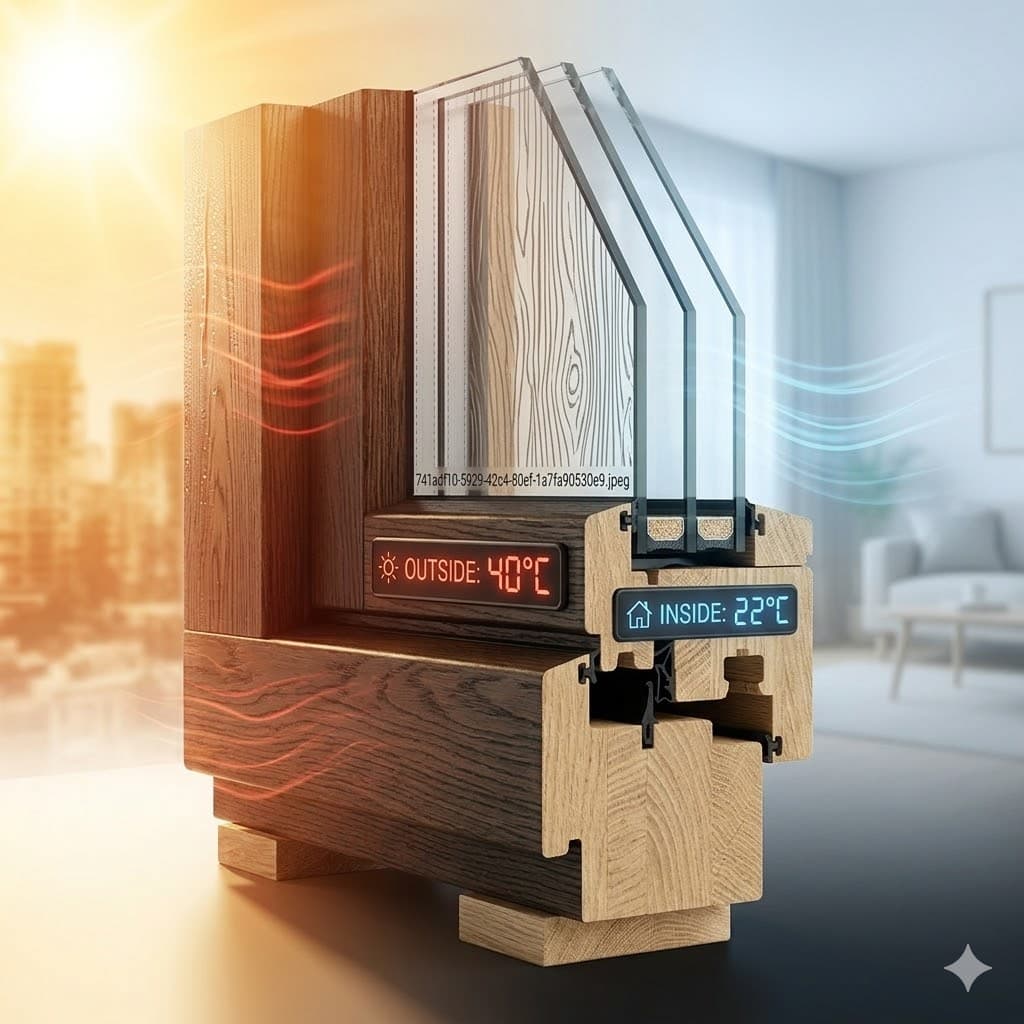
Modern triple glazing uses three panes and two insulating cavities. It can make a substantial difference to comfort when it is paired with a compatible frame, suitable hardware and a well-sealed installation.
The standard 32 mm triple-glazing basis works with a 68 mm wood frame. The 42 mm upgrade requires a 78 mm wood frame and is intended for stronger soundproofing and insulation performance.
Advantages
- Higher thermal insulation potential
- Lower heat transfer through the glazed unit
- Typically quieter than older single glazing
- Warmer internal glass surfaces
- Strong fit for high-performance renovations
Comparison
| Feature | Older Single Glazing | Modern Triple Glazing |
|---|---|---|
| Lower initial purchase price? | Yes | No |
| Lower glazing weight? | Yes | No |
| Lower heat transfer? | No | Yes |
| Higher thermal insulation? | No | Yes |
| Typically quieter than older single glazing? | No | Yes |
| Uses two insulating cavities? | No | Yes |
What Changes From Single To Triple Glazing?
The change is not simply one extra pane. Triple glazing adds a second insulating cavity, changes the weight of the sash and requires the frame, hinges and hardware to be specified for the complete unit.
The headline comfort improvement is lower heat transfer and less outside noise. The complete window still matters: frame profile, seals, installation, wall construction and the particular noise source all affect the result.
Which Glazing Is Right For You?
Choose a simpler single or double-glazing basis only where initial cost, lower weight or an existing design constraint is the priority.
Choose triple glazing when comfort, reduced heat transfer and less outside noise are the priorities and the opening can support the additional weight and frame specification.
A personalised specification is more useful than choosing by pane count alone. The recommendation should be based on the property, opening sizes, orientation, comfort goals and budget.
Single vs Triple Glazing FAQs
Direct answers to frequent questions about upgrading from single glazing to modern high-performance units:
What is the most noticeable difference when replacing single glazing with triple glazing?
Homeowners notice an immediate drop in radiant cold near the window, elimination of drafts, and a significant reduction in exterior street noise (up to 75–80% noise reduction in our triple-glazed timber aperture systems compared to unsealed single glazing).
Can triple glazing fit into my existing single-glazed frames?
No. Single-glazed glass is typically only 3–4 mm thick, whereas high-performance triple glazing requires a sealed unit depth of 32 mm to 42 mm. Fitting triple glazing requires an engineered timber frame depth of 68 mm or 78 mm with heavy-duty multi-point perimeter hinges.
Will replacing single glazing with triple glazing lower air conditioning costs?
Yes. Moving from older single-glazed aluminium (Ug ~5.0 W/m²K) to modern low-E argon triple glazing (Ug ~0.8 W/m²K) reduces conductive heat transfer through the aperture by over 80%, substantially reducing the cooling load on air conditioning during hot summer months.
Why do my new triple-glazed windows sometimes have condensation on the outside in the morning?
External morning condensation is actually proof that triple glazing is working exceptionally well. Because so little indoor heat escapes through the glass, the outer pane remains cool at night and collects brief morning dew until the sun warms the air.